Innovative Techniques for Long-lasting Floral Arrangements
Posted on 25/06/2025
Innovative Techniques for Long-lasting Floral Arrangements
Floral arrangements have been revered for centuries as symbols of beauty, celebration, and emotional expression. However, even the most exquisite flowers eventually wither, losing their luster and significance. Thanks to modern innovations in floristry, it's now possible to create long-lasting floral arrangements that extend the life and vibrancy of your blooms. In this comprehensive guide, we explore breakthrough methods and best practices to ensure your floral displays remain fresh, striking, and memorable for longer than ever before.
Why the Longevity of Floral Arrangements Matters
Whether for a wedding, home decor, event, or corporate setting, prolonged freshness equates to enhanced value and reduced costs. Stunning long-lasting flower arrangements also provide ongoing enjoyment, becoming sustainable artistic features in any environment. Embracing innovative preservation techniques not only ensures visual appeal but also demonstrates respect for the natural beauty and expense of cut flowers.
Understanding Flower Lifespan: Key Factors
- Type of Flower: Roses, orchids, lilies, chrysanthemums and carnations differ significantly in their natural vase life.
- Stem Condition: Freshness at purchase and absence of damage heavily impact longevity.
- Environmental Factors: Temperature, light, and humidity levels can accelerate or impede decay.
- Water Quality: Clean, well-treated water helps prevent bacterial growth and keeps blooms hydrated.
- Handling & Preparation: Proper cutting, conditioning, and arranging makes a world of difference.
Cutting-Edge Techniques for Durable Floral Displays
The secret to arranging flowers that last isn't just in your choice of blooms--it's in the innovative methods you use to care for and display them. Let's delve into transformative strategies for longer-lasting flower arrangements.
1. Advanced Stem Conditioning
One of the most effective ways to ensure your flowers stay fresh is through meticulous stem conditioning:
- Diagonal Cutting: Always trim stems at a 45-degree angle using a sharp, clean blade. This increases surface area for water uptake and prevents stems from resting flat at the bottom of the vase.
- Immediate Hydration: After cutting, immerse stems in lukewarm water with added floral preservative. This jumpstarts hydration before arranging.
- Remove Foliage Below Waterline: Strip leaves that would be submerged to avoid bacterial growth, which accelerates decay.
- Double Cutting for Woody Stems: Flowers with woody stems, like roses or lilacs, benefit from an extra vertical slit for improved water absorption.
2. Using Commercial Floral Preservatives and DIY Alternatives
Commercial flower food contains a balanced mix of sugar (for nourishment), acidifiers (to reduce water pH), and biocides (to eliminate bacteria). To further innovate:
- DIY Flower Food Recipe: Mix one teaspoon of sugar, two teaspoons of lemon juice, and a few drops of bleach per quart of water. This emulates commercial preservative effects and is suitable for most blooms.
- Specialized Preservatives: For tropical flowers or exotic species, consider targeted nutrient blends to mimic their native environments.
3. Temperature & Storage Innovations
Proper storage extends freshness and slows wilting:
- Cool But Not Cold: Ideally, arrange and store flowers at 36-38?F (around 2-3?C) to delay the aging process. Avoid household refrigerators containing fruit, which emit ethylene gas that speeds up flower senescence.
- Hydration Misting: Periodically mist blooms with water to maintain turgidity, especially helpful for arrangements exposed to air conditioning or heat.
4. The Science of Water Maintenance
Routine care is crucial for long-lasting floral arrangements:
- Change the Water Every 48 Hours: Thoroughly rinse the vase to remove any bacterial film or residue.
- Check Water Temperature: Use room-temperature or slightly warm water, which dissolves air bubbles and improves uptake.
5. Structural Supports & Floral Foam Alternatives
Though traditional floral foam is common, eco-conscious florists are embracing new options:
- Reusable Grids: Use mesh grids or chicken wire to securely hold stems instead of foam, which can impede water absorption over time.
- Biodegradable Foam: Modern biodegradable versions offer environmental benefits without sacrificing longevity or structure.
- Taping Style: Crosshatch clear tape over the vase opening for precision placement without restricting water flow.
6. Innovative Floral Arrangement Techniques
Beyond preservation science, your design strategies impact arrangement longevity:
- Staggered Heights: Arrange larger flowers slightly above smaller ones to promote air circulation and easy access to water.
- Use Buds and Mature Blooms: Incorporate buds that will open over time for a dynamic, ever-evolving arrangement.
- Layer in Hardy Foliages: Incorporate greenery like eucalyptus, aspidistra, or ruscus, which not only last longer but provide support for softer flowers.
- Create Water Reservoirs: For large installations, discreetly tuck small water tubes at the stem ends of susceptible blooms.
Exploring New Materials for Extended Floral Artistry
Preserved and Dried Flowers
Recent trends celebrate the lasting beauty of preserved and dried arrangements. These innovative florals undergo a specialized process where natural sap is replaced by a preserving solution, maintaining color, shape, and texture for months to years.
- Glycerin Preservation: Soaking stems in a glycerin solution keeps them pliable and vibrant.
- Silica Gel Drying: Specific for delicate blooms like peonies or ranunculus. Bury flowers in silica gel, which draws out moisture while preserving petal detail.
- Air Drying Techniques: Hang flowers upside down in a dark, dry, ventilated area; perfect for statice, lavender, and grasses.
These modern preserved arrangements often blend real and artificial elements, providing maintenance-free decor suitable for homes, offices, and commercial venues.
Innovative Vessels and Hydration Systems
Smart vases and water level indicators are revolutionizing floral arrangement longevity:
- Self-watering Vases: Integrated reservoirs and wicking systems allow consistent water delivery, minimizing the risk of dried-out stems.
- Hydration Gel Beads: Absorb and slowly release water; valuable for event arrangements or when daily maintenance isn't feasible.
- Clear Water Indicators: Modern vases sometimes feature floating disks or sensors to signal when water needs replenishing.
Pro Tips for Arrangements that Outlast the Ordinary
Adding Natural Antimicrobials
A few drops of essential oils such as tea tree, peppermint, or eucalyptus added to vase water offer a natural antimicrobial boost. This keeps bacterial growth in check and fosters healthier, longer-lasting flowers.
Choose Wisely: Flowers Known for Endurance
Certain blooms consistently outperform others when it comes to vase life. For exceptionally durable arrangements, consider including:
- Carnations
- Chrysanthemums
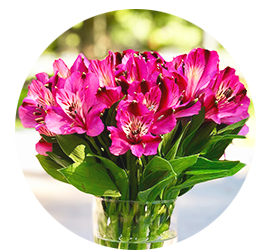
- Alstroemeria
- Ornamental kale
- Wax flower
- Protea
- Sunflowers (with careful water changes)
Pair with robust greens like ferns, camellia, or salal to further enhance resilience and visual appeal.
Environmental Placement
- Shield from Direct Sunlight: Harsh rays accelerate wilting--display arrangements in diffused light.
- Distance from Ripening Fruit: As mentioned, ethylene emitted from fruit hastens decay, so keep arrangements away.
- Avoid Drafts and Heaters: Sudden temperature changes and dry air are enemies of fresh flowers.
Futuristic Advancements: Technology and Floral Longevity
Smart Home Integration
Flower care can now be monitored and optimized using app-connected sensors, which:
- Track water levels and send reminders for refills or preservative additions;
- Monitor ambient temperature and humidity for ideal conditions;
- Even offer real-time advice for specific flower varieties.
Research-Driven Solutions
Leading agricultural laboratories are innovating floral gene editing and post-harvest treatments, producing blooms with enhanced disease resistance and extended shelf life. Edible coatings, anti-desiccant sprays, and nano-packaging show great promise for prolonged vase life in both commercial and domestic settings.
Caring for Your Flowers: A Step-by-Step Guide
Follow this easy checklist for vibrant, long-lasting flower arrangements:
- Unpack Carefully: Gently unwrap flowers and remove any blooms or leaves that show signs of decay.
- Prepare the Stems: Cut stems diagonally under fresh water, removing foliage below the water line.
- Hydrate Immediately: Place flowers in water with added preservative as soon as possible.
- Select the Right Vase: Clean thoroughly and choose an appropriate size for your stems.
- Position Thoughtfully: Avoid sun, heat, and drafts.
- Refresh Regularly: Change the water, re-cut stems, and add fresh preservative every 2-3 days.
Conclusion: Crafting Everlasting Floral Masterpieces
The art of creating longer-lasting floral arrangements has evolved dramatically, thanks to a blend of scientific advancements, eco-conscious materials, and a deeper understanding of plant physiology. By embracing innovative techniques--from advanced stem conditioning, cutting-edge water treatments, and upcycled support systems to smart vessels and preserved blooms--you can enjoy captivating, resilient floral displays in any space.
With these expert tips and creative solutions, your next arrangement will not only look stunning but stand the test of time. Explore the evolving world of floral longevity and let your flowers make a lasting impression!